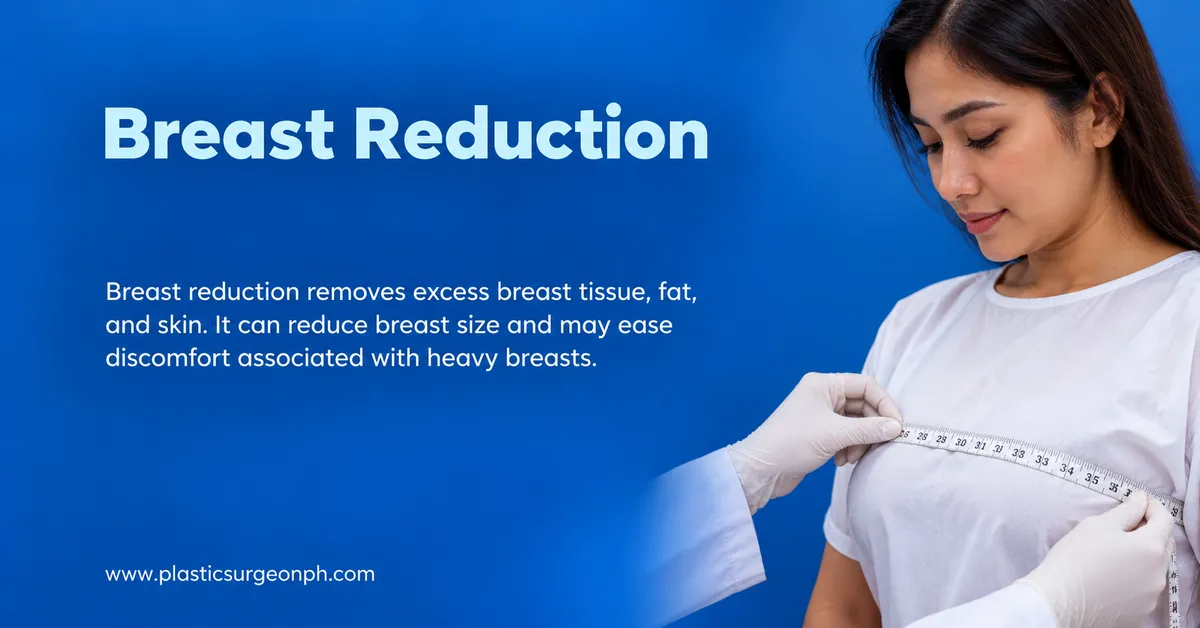
Breast reduction can be both reconstructive and cosmetic. For a patient living with heavy breasts, the purpose may be relief from neck, shoulder and back discomfort as much as improvement in proportion. The operation removes tissue, but its real technical challenge is preserving a healthy nipple, creating a balanced shape and closing long incisions safely. Therefore, the amount removed should be based on anatomy and symptoms, not on a promised cup size alone.
What is breast reduction, and what concerns does it address?
Breast reduction, or reduction mammaplasty, removes excess breast tissue, fat and skin while lifting and reshaping the remaining breast. It may improve neck and back pain, shoulder grooves, rashes beneath the breasts, exercise difficulty, unwanted attention and problems finding suitable clothing. It can also correct marked asymmetry or reduce very enlarged male or female breasts in selected circumstances. The operation normally includes a lift because the nipple must be repositioned after volume is removed. It does not guarantee complete relief of every musculoskeletal symptom, and unrelated spinal, shoulder or skin conditions may need separate care. A breast lift can address nipple position and shape, while reduction also removes breast tissue to reduce size. If the two breasts differ substantially, breast asymmetry correction may need to be incorporated into the plan.
Who is a good candidate for breast reduction, and who is not?
Good candidates have disproportionately large or heavy breasts, stable health, realistic expectations and symptoms or personal concerns that justify scars and recovery. Breast growth should usually be complete, although severe adolescent cases may be treated earlier after multidisciplinary discussion. Surgery should be delayed during pregnancy or breastfeeding, with active infection, unresolved breast findings, uncontrolled disease or ongoing nicotine use. Very high body mass index may increase wound, anaesthetic and clot risks and may lead to a staged health plan. Patients who cannot accept possible sensation changes, breastfeeding limitations or recurrent enlargement need further counselling before surgery.
What are the different types or techniques used in breast reduction?
Most reductions use a vertical or inverted-T incision. Tissue supporting the nipple, called a pedicle, may be based on blood supply from the lower, upper, medial or other direction. The choice depends on breast size, nipple position, previous scars and surgeon experience. Liposuction can refine the outer breast or, in carefully selected fatty breasts with minimal sagging, provide limited reduction alone. In extremely large breasts, a free nipple graft may be considered, but it sacrifices normal nipple sensation and breastfeeding potential. The surgeon may also reduce the areola and send removed tissue for pathology according to clinical practice.
Are there non-surgical alternatives to breast reduction?
A professionally fitted supportive bra, weight management when appropriate, physiotherapy, posture work, skin-rash treatment and pain assessment can reduce symptoms without surgery. Weight loss may decrease fatty breast volume, but glandular tissue and stretched skin may remain. Medicines do not safely shrink established adult breast tissue. Liposuction is a smaller surgical option for selected patients whose breasts contain substantial fat and have good skin elasticity, but it does not provide the same lift or tissue removal. When symptoms are mild or health risk is high, conservative treatment and monitoring may be the safer plan.
How do I prepare for breast reduction?
Preparation includes breast examination, measurements, photographs and documentation of symptoms. Bring records of rashes, physiotherapy or other treatment if medical coverage is being explored. Breast imaging may be required based on age, symptoms and screening guidelines. Discuss desired size in terms of proportion and function rather than a guaranteed bra cup. Disclose medicines, supplements, allergies, pregnancy plans, previous surgery and nicotine exposure. Stop smoking or vaping as instructed because nipple and wound circulation are critical. Arrange transport, a responsible adult, loose front-opening clothes, a supportive bra and help with household lifting for several weeks. For consultation contacts and listed services, review the Zi Institute profile and confirm the proposed procedure and facility directly with the clinic.
How is breast reduction performed, and how long does it take?
After detailed markings and anaesthesia, the surgeon removes a planned amount of skin, fat and glandular tissue. The remaining tissue is reshaped, and the nipple-areola complex is raised while usually remaining attached to a living pedicle. The opposite breast is compared for balance, although exact symmetry is not possible. Incisions are closed in layers, and drains may be used selectively. Surgery commonly takes three to five hours. Very large reductions, significant asymmetry or combined procedures take longer. Removed tissue may be weighed and sent for examination. Most patients are discharged the same day or after short observation, depending on health and surgical extent.
What type of anesthesia is used, and who administers it?
Breast reduction is generally performed under general anaesthesia. A qualified anaesthesiologist should conduct the preoperative assessment, administer anaesthesia and continuously monitor breathing, circulation, oxygen, temperature and comfort. The surgeon often adds local anaesthetic around the breasts to reduce postoperative pain. Because the operation can be lengthy, the team should also plan fluid management, warming and blood-clot prevention according to the patient’s risk. Ask about the anaesthesiologist’s credentials, facility licence and recovery arrangements. Disclose sleep apnoea, asthma, heart disease, previous anaesthetic reactions, bleeding history and every medicine or supplement.
What results can I realistically expect, and when will I see them?
Relief from breast weight may be noticed early, although swelling and wound tightness initially limit comfort. The breasts look smaller and higher immediately but may appear firm, uneven or unusually round during early healing. Swelling improves over several weeks, while shape, softness and scars continue to mature for six to twelve months. Exact cup size and perfect symmetry cannot be guaranteed. A sensible goal is a breast size that is more proportionate, easier to support and compatible with healthy nipple circulation. The final amount removed may differ slightly between sides because the starting breasts are rarely identical.
Will I have scars after breast reduction, and how visible will they be?
Yes. Most patients have a scar around the areola and vertically down to the breast fold. Larger reductions also require a horizontal scar in the fold, creating an anchor pattern. These scars are permanent and may be visible in low-cut clothing. They typically fade over a year or longer but can widen, thicken, itch or become darker. Small wound openings are relatively common where the vertical and fold scars meet. Genetics, tension, infection, diabetes and nicotine affect healing. Once the wounds are closed, the surgeon may recommend silicone, massage or other treatment. Sun protection reduces persistent pigmentation.
What are the risks and possible complications of breast reduction?
Risks include bleeding, infection, anaesthetic problems, blood clots, fluid collection, delayed healing, asymmetry, contour irregularity, fat necrosis and poor scars. Nipple or breast sensation may decrease, increase or remain altered permanently. Breastfeeding ability can be reduced and is usually lost after a free nipple graft. Rarely, impaired blood supply causes partial or complete nipple-areola or skin loss. Wounds can open and require prolonged dressings. Pathology can unexpectedly identify an abnormality needing further care. Seek prompt review for fever, rapidly increasing swelling, severe pain, foul drainage, dark skin, breathing difficulty or calf swelling.
What is recovery like after breast reduction, and how long does it take?
The first week involves swelling, bruising, tightness and soreness. Dressings and a supportive bra protect the breasts, and drains may remain briefly. Sleep elevated on the back and avoid reaching, pushing and pulling. Many patients feel more comfortable by the second week, but wounds can take several weeks to seal completely, particularly at incision junctions. Swelling and altered sensation may last for months. Fat-necrosis areas can feel firm and need observation or imaging. Recovery is slower after a very large reduction, with diabetes, anaemia, nicotine exposure or combined surgery. Pain that worsens instead of improving should be assessed.
When can I return to work, exercise, and normal activities?
Desk work often resumes in ten to fourteen days, while jobs involving lifting or repetitive arm activity may require three to six weeks. Gentle walking begins early to reduce clot risk. Driving waits until the patient can turn, brake and move the arms safely without sedating medicine. Heavy lifting, running and upper-body exercise are commonly restricted for four to six weeks or until wounds are secure. Swimming waits until every incision is closed. A gradual return is especially important for healthcare, childcare, factory and service workers. Support at home should be arranged for children, laundry, groceries and other lifting tasks.
What aftercare and follow-up appointments are required?
Aftercare includes wound cleaning, prescribed medicine, supportive-bra use and monitoring of drains when present. Keep the breast fold dry as instructed and do not place unapproved powders, whitening creams or herbal products on the wounds. Early appointments assess bleeding, nipple circulation, infection and wound separation. Later reviews examine shape, sensation, scar development and any firm areas. Continue age-appropriate breast screening and provide the operative history to imaging staff. Seek urgent help for sudden one-sided enlargement, fever, pus, blackening skin, chest pain, shortness of breath or leg swelling. Minor wound problems are easier to manage when reported early.
How long do the results of breast reduction last?
Removed breast tissue does not simply grow back, so reduction is long-lasting. Nevertheless, pregnancy, breastfeeding, major weight gain, hormonal change and ageing can alter breast size and cause renewed sagging. Adolescents may experience additional development. Stable weight, supportive bras and healthy habits help maintain comfort and shape. A later lift or secondary reduction may be possible, but previous scars and altered blood supply make repeat surgery more complex. Even when gradual ageing occurs, most patients retain a meaningful reduction compared with their original breast size. Long-term symptom relief also depends on other neck, back and shoulder conditions.
How much does breast reduction cost in the Philippines, and what is included in the price?
Published local prices begin around PHP 180,000 to PHP 200,000, while comprehensive private or hospital-based reduction commonly falls around PHP 220,000 to PHP 400,000 or more. Very large breasts, prolonged theatre time, admission and complex medical needs increase cost. The quote should include the surgeon, anaesthesiologist, hospital or facility, tests, medicines, dressings, surgical bra, pathology and follow-up. Ask whether treatment of wound problems is separately charged. For medically significant symptoms, inquire directly about PhilHealth, HMO or insurance requirements, but obtain written pre-authorisation because cosmetic and uncovered professional fees may remain payable.
Thank you for sharing this article...
About the Author: Joan de Alta