Gynecomastia surgery reduces an enlarged male chest, but proper diagnosis must come first. A full-looking chest can result from glandular breast tissue, fat, loose skin, medication, hormones or a combination. Surgery is most successful when the underlying cause is stable and the technique matches the tissue. It should create a natural masculine contour that looks appropriate both at rest and during movement, rather than an over-resected chest with a crater beneath the nipple.
What is gynecomastia surgery, and what concerns does it address?
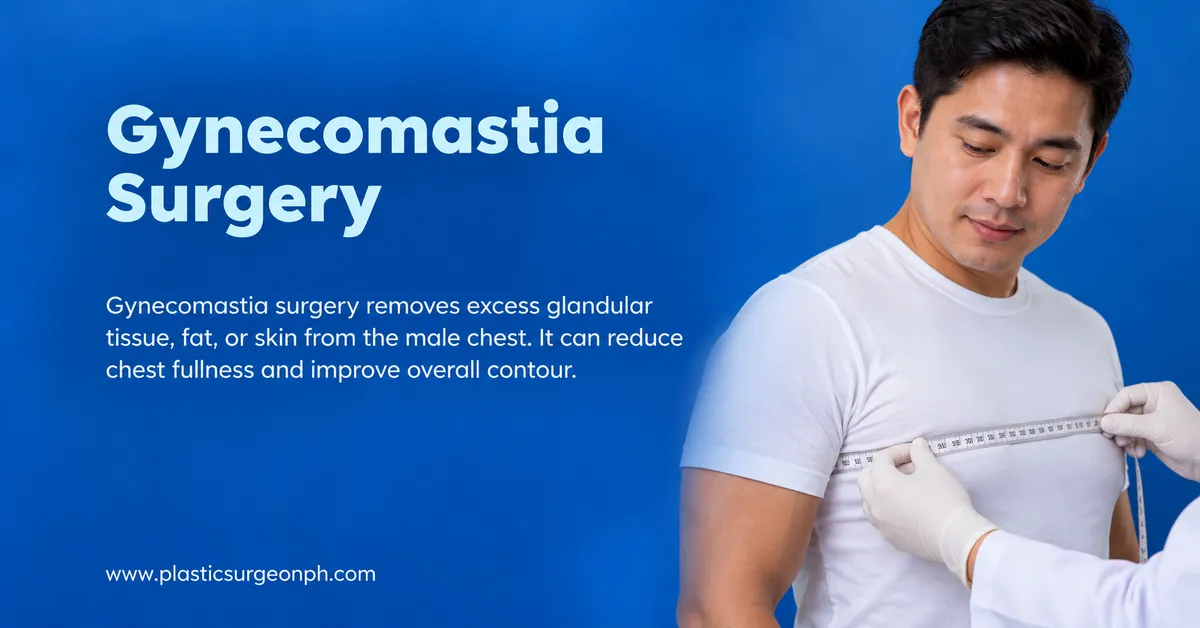
Gynecomastia surgery, also called male breast reduction, removes excess gland, fat and sometimes skin from the male chest. It can address puffy nipples, a breast-like mound, asymmetry, discomfort and self-consciousness during exercise or when wearing fitted clothing. True gynecomastia contains firm glandular tissue, while pseudogynecomastia is mainly fat. Some patients have both. Surgery does not treat a hormonal disorder, medication effect or significant obesity by itself. A new one-sided lump, nipple discharge, testicular symptom or rapid enlargement requires medical evaluation before any cosmetic plan because uncommon but important diseases must be excluded. A patient asking for a more muscular chest contour should understand that pectoral implants adds volume rather than removing gland tissue.
Who is a good candidate for gynecomastia surgery, and who is not?
Good candidates have persistent chest enlargement despite appropriate observation or treatment of the cause, stable weight, completed puberty in most cases and realistic expectations. Teenagers may be considered when enlargement is severe, painful or long-lasting, but spontaneous improvement is common during puberty. Surgery should be delayed for uncontrolled illness, active substance or anabolic-steroid use, ongoing nicotine exposure or an untreated hormonal cause. Patients with major weight excess may benefit from weight management first. Anyone unwilling to accept scars, temporary compression and possible asymmetry needs further counselling. Suspicious breast findings require diagnostic care, not immediate cosmetic reduction.
What are the different types or techniques used in gynecomastia surgery?
Liposuction removes fatty fullness through small ports and works best when skin is elastic and gland is limited. Direct excision removes dense gland through a short incision at the areolar edge. Many patients need both. Skin-reduction patterns may be periareolar, vertical or transverse for severe enlargement or after major weight loss. A double-incision technique with free nipple graft may be used when substantial skin and tissue must be removed, but it creates longer scars and reduces nipple sensation. Power-assisted or ultrasound-assisted liposuction may help selected fibrous tissue. The surgeon should preserve a thin layer beneath the nipple to avoid a crater.
Are there non-surgical alternatives to gynecomastia surgery?
Observation is appropriate for many pubertal cases because the condition can improve over time. Treating an identified hormonal disorder, liver or thyroid condition may help. A doctor may change a contributing medicine when medically safe, but patients should never stop prescriptions on their own. Weight loss can reduce fatty chest fullness, although firm gland often remains. Compression shirts provide temporary camouflage. Medicines such as selective oestrogen-receptor modulators may have a role in selected early, painful cases under specialist care, but they are less effective for long-standing fibrous tissue. Fat-freezing and energy treatments cannot reliably remove a substantial glandular mass.
How do I prepare for gynecomastia surgery?
Preparation begins with history and examination to distinguish gland, fat and skin. Discuss puberty timing, weight change, supplements, anabolic steroids, cannabis, alcohol, prescription medicines and symptoms of hormonal disease. Laboratory tests, breast imaging or endocrine referral may be needed when the presentation is unusual. Stabilise weight, stop nicotine and discontinue non-prescribed muscle-building substances. Coordinate any change to prescribed medicine with the treating doctor. The surgeon should photograph the chest and explain scar placement, nipple position and asymmetry. Arrange transport, a compression garment, front-opening clothes and help with lifting during the first one to two weeks. For consultation research, review Dr. Vicente Francisco Firmalo’s profile, then confirm experience with this operation, credentials, and follow-up arrangements directly.
How is gynecomastia surgery performed, and how long does it take?
After markings and anaesthesia, tumescent fluid may be placed and fat removed with liposuction. Dense tissue is then excised through an areolar or other planned incision. The surgeon checks the chest from several angles, avoids excessive removal beneath the nipple and controls bleeding. Loose skin is trimmed when necessary, and drains may be inserted for extensive excision. A straightforward bilateral procedure commonly takes one to three hours. Severe skin excess, major asymmetry or revision surgery can take longer. Most patients go home the same day, although extensive operations or medical concerns may require observation. Removed tissue may be sent for pathology.
What type of anesthesia is used, and who administers it?
Small liposuction or limited gland excision may use local anaesthesia with oral or intravenous sedation. More extensive bilateral surgery, skin removal or patient anxiety often favours general anaesthesia. A qualified anaesthesiologist should administer deep sedation or general anaesthesia and monitor the patient, while the surgeon injects local anaesthetic into the chest. The choice depends on procedure length, health, comfort and facility resources. Ask who provides anaesthesia and whether recovery monitoring is included. Disclose sleep apnoea, asthma, heart conditions, allergies, previous anaesthetic problems, anabolic drugs and every medicine or supplement during the preoperative assessment.
What results can I realistically expect, and when will I see them?
The chest looks flatter immediately, but swelling, compression and temporary firmness can hide definition. The nipple may appear uneven or indented early. Most bruising improves over two weeks, while swelling and internal scar soften over three to six months. Skin contraction continues gradually, particularly after liposuction. Existing rib, muscle and nipple asymmetry remains, and perfectly identical sides are not realistic. The goal is a natural transition from chest to areola without a hollow crater or sharp edge. Patients with poor skin elasticity may retain some looseness unless skin is excised. Final scars are judged after twelve months or longer.
Will I have scars after gynecomastia surgery, and how visible will they be?
Liposuction leaves several small port scars, often near the armpit or areola. Gland excision usually adds a scar along the lower areolar border. Skin-reduction procedures create longer scars around the areola, down the chest or across the lower chest. Free nipple grafts leave a circular border and can change colour or projection. Scars usually fade but can widen, thicken or form keloids, which are important concerns for the chest. Nicotine, infection and tension worsen healing. Once wounds are secure, silicone and sun protection may be recommended. The scar pattern should be explained with the patient standing before consent.
What are the risks and possible complications of gynecomastia surgery?
Risks include bleeding, haematoma, infection, anaesthetic complications, fluid collection, delayed healing, pain, numbness, asymmetry, contour irregularity and poor scars. Haematoma can enlarge one side quickly and may require urgent drainage. Excessive tissue removal can create a crater, nipple adherence or visible muscle edge, while insufficient removal leaves fullness. Nipple sensation, projection or colour can change, and tissue loss is possible after major skin surgery. Seroma, fat necrosis and recurrent enlargement may occur. Seek prompt care for rapidly increasing swelling, severe pain, fever, pus, dark nipple skin, wound opening, chest pain or breathing difficulty.
What is recovery like after gynecomastia surgery, and how long does it take?
Expect swelling, bruising, pressure and soreness during the first week. A compression vest helps control swelling and support the contour, but it should not be painfully tight. Drains may be used after gland or skin excision. Most patients feel substantially better after several days, although firmness and numbness can last for months. Keep incisions clean and sleep on the back initially. Small contour differences often change as swelling resolves, so early aggressive massage or self-treatment is unwise. Fever, one-sided enlargement, worsening pain, fluid leakage or skin colour change should be reported without delay.
When can I return to work, exercise, and normal activities?
Desk work commonly resumes after five to ten days, while physical employment may require two to four weeks. Gentle walking begins early. Driving waits until comfortable shoulder movement returns and sedating medicine is stopped. Running, heavy lifting and chest training are usually restricted for three to six weeks. Contact sport and movements that stretch long skin-excision scars may require longer. Compression is worn according to the surgeon’s schedule, including during the staged return to exercise. Patients using a motorcycle helmet, backpack straps or protective equipment should confirm that pressure and arm movement will not disturb wounds or drains.
What aftercare and follow-up appointments are required?
Aftercare includes wound cleaning, compression, prescribed medicines and drain recording if applicable. Do not remove dressings, apply heat or start massage without instructions. Early visits assess bleeding, fluid, nipple circulation and infection. Later reviews monitor contour, scar tissue and skin contraction. Pathology results should be discussed when tissue is examined. Maintain stable weight and avoid anabolic steroids or other identified triggers. Contact the team urgently for fever, sudden one-sided swelling, foul drainage, blackening skin, breathing difficulty or calf pain. Persistent lumps or recurrence months later deserve examination rather than assumption that they are normal scar tissue.
How long do the results of gynecomastia surgery last?
Removed gland and fat do not usually return, so results are generally long-lasting. However, major weight gain, anabolic steroids, certain medicines, hormonal disease and substance use can cause new fullness or tissue growth. Skin and chest contours also change with ageing. A free nipple graft or long scar remains permanent. Stable weight, healthy hormone management and avoidance of identified triggers support durability. Revision may be considered for recurrence, scar or contour problems after full healing, but additional surgery can increase scarring and blood-supply risk. A small residual layer beneath the nipple is normally preserved for a natural contour.
How much does gynecomastia surgery cost in the Philippines, and what is included in the price?
Public Philippine listings range from about PHP 70,000 to PHP 140,000 for selected liposuction or gland procedures, while a realistic private-care range is roughly PHP 100,000 to PHP 220,000 or more. Extensive skin removal, general anaesthesia, pathology and hospital admission increase cost. The written quote should state whether it includes liposuction, gland excision, one or both sides, surgeon, anaesthesiologist, facility, tests, pathology, drains, compression vest, medicines and follow-up. Endocrine tests and treatment may be separate. A low fee should not replace proper diagnosis, chest-contouring experience and a safe operating facility.
Thank you for sharing this article...
About the Author: Joan de Alta

View Surgeon Profiles




Explore Available Clinics



Browse Other Procedures

Abdominal wall reconstruction repairs complex hernias and tissue weakness.