

A facelift after weight loss assessment should distinguish loose skin from volume loss and consider your weight history and continuing plans. Substantial weight change can make both loose skin and reduced facial fullness more noticeable. These are related concerns, but lifting and restoring volume are different decisions. The right recommendation depends on the findings, not simply the amount of weight you have lost.
You do not need to arrive with a preferred surgical technique or a target date. It is more useful to explain what has changed, which features bother you, and whether your weight and medical care are still evolving. Those details help the surgeon decide what can reasonably be assessed now and what may need further review.
Separate loose skin from loss of fullness
A facelift can address selected sagging tissues, but it is not a general solution for every facial change after weight loss. Ask the surgeon to distinguish skin laxity, tissue position, volume, surface texture, and features that were present before the weight changed.
The patient guide from BAAPS recognizes that substantial weight loss can produce facial changes resembling aspects of aging. That does not mean your face needs every treatment offered for aging. It means the assessment should identify which changes are relevant to your individual concerns.
Describe where you notice the difference rather than assuming a diagnosis. You may see more jowling, less cheek fullness, or a different neck outline. Ask which concern the proposed operation would address and which might remain. One procedure should not be presented as a way to reverse the entire experience of weight change.
Bring photographs from different stages if they help explain the change, with approximate dates and weight context where known. Ordinary, unfiltered views are more informative than a selected flattering image. The purpose is to support discussion of your history, not to promise a return to an earlier face.
Explain your weight history and ongoing plans
Give the surgeon a clear account of how your weight changed, when it changed, and whether further change is expected. Include lifestyle treatment, weight-management medicines, bariatric surgery, or illness where relevant. Do not leave out a method because it seems unrelated to a facial operation or because you would prefer to discuss it privately.
Tell the team which clinicians currently manage your care and bring useful records. Include current medicines and any recent adjustments. A surgeon needs to understand the broader treatment plan before making recommendations about timing or asking another clinician for advice. Do not stop weight-management or other prescribed medicines without individualized instructions.
Ask what weight stability means for the proposed facial treatment in your circumstances. A measurement taken on one appointment is not the whole history. The team may want to understand whether your present weight is sustainable, whether your health is changing, and how a further loss or gain could affect the goals being discussed.
There is no universal waiting period that applies to every person after every form of weight loss. If the surgeon recommends waiting, ask what needs to become clearer and how readiness will be reassessed. An explanation tied to your health and plans is more useful than a date offered before your history is reviewed.
Make health and nutrition part of the assessment
Cosmetic planning should not distract from symptoms or medical concerns. Discuss difficulty eating, ongoing vomiting, unexplained weakness, unintended weight change, or problems already being investigated. A facelift consultation is not a substitute for evaluation of those issues by the clinicians responsible for your general health.
Ask whether your usual doctor, bariatric team, or nutrition professional should contribute to planning. Bring the follow-up information they consider relevant, including any known deficiencies or prescribed supplements. The surgeon can explain whether additional assessment is needed; do not assume that a general supplement product establishes readiness for surgery.
Preparation guidance from The Aesthetic Society includes weight stability and review of medical history. Use that as a starting point for questions, not a personal clearance checklist. Your existing conditions, treatment history, and proposed operation still need individual consideration.
The weight-loss body-contouring readiness guide covers broader preparation questions. Facial treatment has its own scope, so do not transfer another operation’s requirements directly to a facelift. Ask the facial surgeon which parts of your ongoing care are relevant and who will coordinate any necessary review.
Decide whether volume treatment has a separate role
If reduced fullness remains important after an examination, ask what options are reasonable and what each is intended to change. Adding volume and repositioning tissue are not interchangeable. A recommendation should make clear whether a proposed addition addresses a separate concern or is being included primarily as part of a package.
The facelift with fat-grafting discussion explains the distinction between lifting and volume restoration. If fat grafting is proposed, request an explanation of donor-area treatment, variability, additional risks, and aftercare. Do not assume that more volume will necessarily give a more balanced result.
Ask what the surgeon expects from the main operation without the additional treatment. You may prefer to reassess a volume concern after healing rather than decide on every possible change at once. That preference deserves a discussion of its tradeoffs rather than an assumption that postponing an addition means an incomplete plan.
Keep the goal personal and specific. Wanting to look less drawn does not require adopting another patient’s cheek shape or a predetermined facial proportion. Discuss your usual appearance, expressions, and features you value so the recommendation reflects your preferences rather than a standard model of facial fullness. Discuss a facelift after weight loss alongside weight stability, nutrition and the specific facial changes that concern you.
Coordinate facial and body goals realistically
Tell the surgeon if you are also considering skin-removal or contouring procedures elsewhere. The order of treatments and the proposed recovery arrangements should be discussed with the relevant teams. A plan that seems convenient on a calendar still needs a clinical explanation and enough practical support.
Use the combined facial-procedure guide to ask about the complete scope. Do not assume that combining a facial operation with body surgery is suitable because both follow weight loss. Ask the team to compare reasonable alternatives and explain why a particular sequence fits your circumstances.
Consider how one recovery could affect another. Transport, reaching dressings, sleeping arrangements, and caregiver availability may be different for facial and body treatment. Describe the resources you actually have instead of planning around an idealized recovery situation that would be difficult to provide at home.
Evaluate photographs and expectations carefully
Ask to see relevant examples with an explanation of starting anatomy, procedures performed, and time since treatment. A large weight change does not create one predictable facial pattern. Two people with similar weight histories may still have different skin, volume distribution, previous treatments, and expectations.
The facelift photo-comparison guide can help you evaluate presentation conditions. Look for comparable views and expressions, and distinguish lifting from added volume or skin treatment. A gallery cannot establish the risk, effort, or outcome that you personally would experience.
Ask which features may remain imperfect and which concerns cannot be changed reliably. Continued aging and later weight changes remain relevant after treatment. A useful recommendation describes these limits plainly without suggesting that your previous effort to lose weight creates a need to finish the process with surgery.
Keep the recommendation separate from a weight-loss label
Ask the clinician to describe the actual findings rather than treating the method or amount of weight loss as the diagnosis. A similar history can produce different facial concerns, and an age-related change may also be relevant. The explanation should make clear what is being assessed instead of relying on a label that sounds familiar online.
If you receive different recommendations, compare what each clinician found and what each procedure is intended to change. Make sure both had the same history and understood your priorities. Ask for clarification about differences in scope before assuming that a larger operation, a more expensive combination, or a more confident promise is the better option.
Keep a record of the questions that remain unanswered after the appointment. You can request another discussion before committing. A considered decision does not require accepting every available treatment, and a consultation remains useful even when the outcome is to continue medical care, reconsider timing, or leave your appearance unchanged.
Choose a practical time rather than an appearance deadline
Discuss work, home responsibilities, travel, and the help you can arrange before choosing dates. The facelift recovery timeline separates early care, return to activities, and later settling. Those stages need individualized advice rather than a deadline chosen for an event or photograph.
Request a written plan for reviews, contact arrangements, and additional assessment if recovery does not follow expectations. Include the costs of transport, time away from work, and support as well as the operation itself. A realistic budget leaves room for clinical needs to change the schedule.
Proceed only when you understand the proposed changes, the risks you would accept, and the care you can provide afterward. Waiting, choosing a smaller scope, or deciding against surgery are valid outcomes of an assessment. Your weight-loss history should inform the decision without dictating it.
Frequently asked questions about facelift after weight loss
Can I request an accessible examination room?
Tell the clinic about mobility, transfer, or seating needs before the appointment. Ask which arrangements are available so the assessment can be conducted comfortably and safely. Avoid assuming that every consultation room has the equipment or space you require.
Will insurance pay for a facelift after weight loss?
Ask your insurer about the proposed operation and any documentation it requires. Having lost weight does not by itself establish that a facial operation is covered. Obtain the insurer’s decision before relying on reimbursement to fund treatment.
Should overseas medical records be translated?
Ask the surgeon which documents are needed and what translation arrangements the clinic accepts. Keep the original records alongside any translated copies. Accurate information is more useful than a brief summary that omits treatment details or uncertainty.
Can I decline use of my photographs in advertising?
Ask the clinic to explain the difference between clinical-record photography and proposed promotional use. Read the forms, clarify where images could appear, and state your preferences before signing. Do not assume that every photography request serves the same purpose.
What if my family thinks surgery is unnecessary?
You can ask for a private consultation to discuss your own reasons and concerns. Take time to consider the recommendation without pressure either to have surgery or to reject an assessment. A consultation can help clarify options without committing you to treatment.
Thank you for sharing this article...
About the Author: Joan de Alta





Read Related Blog Posts
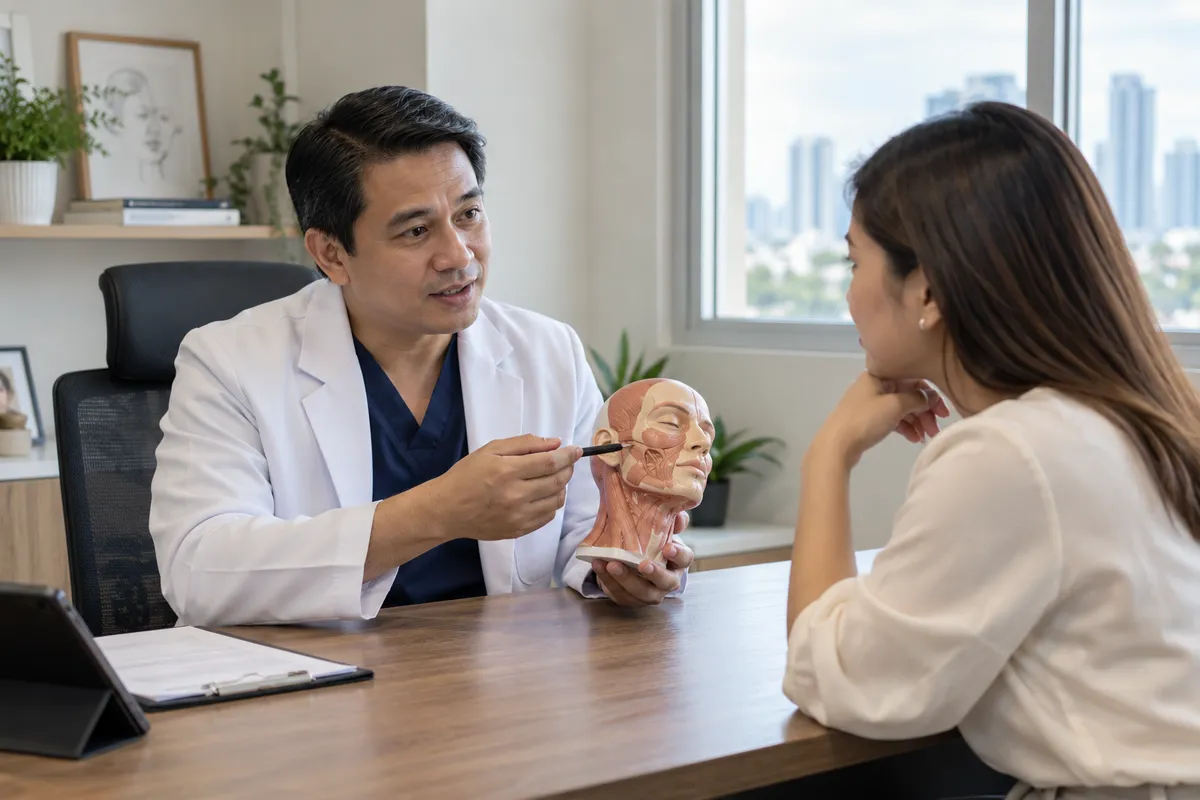
Listen for clear answers about goals, risks, alternatives, and aftercare.

Compare breast implant placement, tissue coverage, and muscle movements.

Rib Cartilage Rhinoplasty: Uses, Harvesting, and Donor-Site Considerations
