Breast reconstruction restores breast shape after mastectomy, lumpectomy, trauma or a congenital difference. It is a reconstructive process rather than one standard cosmetic operation. Treatment may begin during cancer surgery or years later, and several stages may be needed. The best method depends on cancer treatment, radiotherapy, available donor tissue, general health and the patient’s priorities. Reconstruction is optional. Choosing a prosthesis or an aesthetic flat closure is also a valid, personal decision.
What is breast reconstruction, and what concerns does it address?
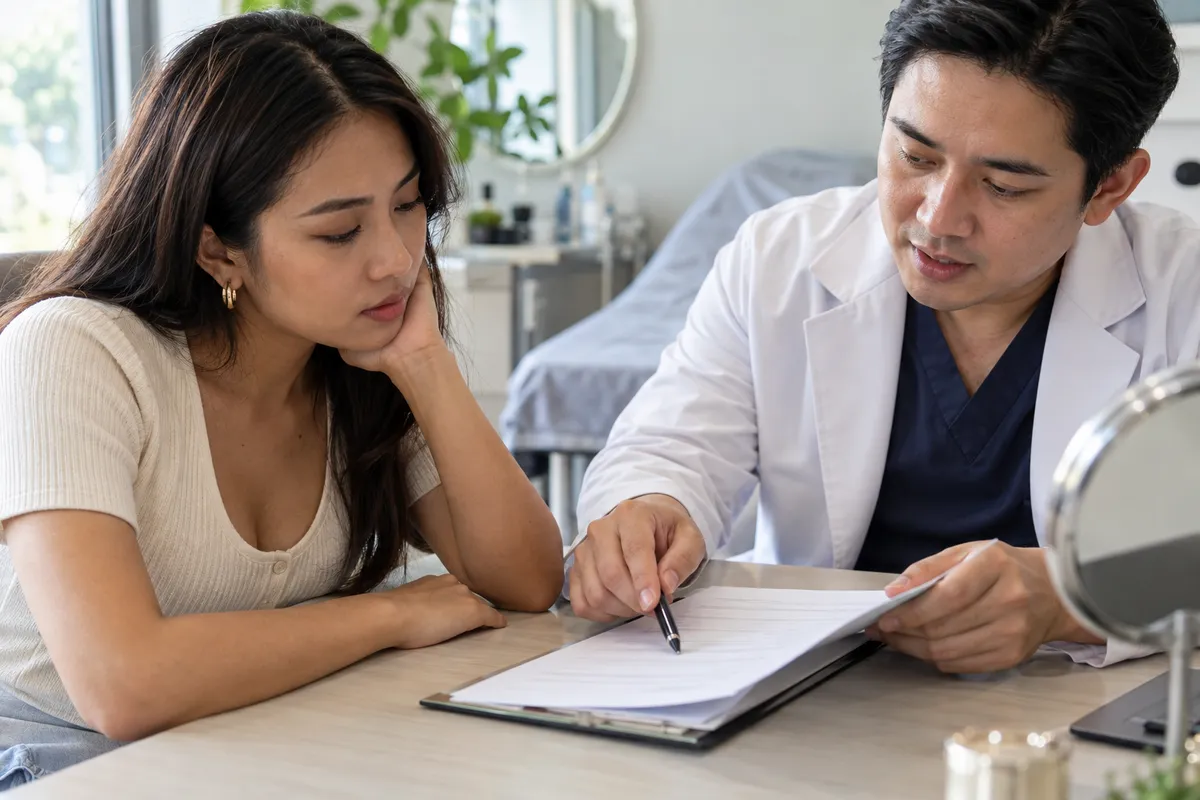
Breast reconstruction creates a breast mound, restores contour and may improve symmetry after partial or complete breast removal. It can use implants, the patient’s own tissue or both. Reconstruction may also include adjustment of the opposite breast, nipple reconstruction, areola tattooing and fat grafting. It cannot restore a completely natural breast, normal sensation or identical symmetry. Cancer control always takes priority, and reconstruction must be coordinated with the breast surgeon, oncologist, radiologist and plastic surgeon. Some patients choose immediate reconstruction at mastectomy, while others delay until chemotherapy, radiotherapy or personal recovery allows a safer plan. Once the reconstructed mound and nipple have healed, 3D Areola Tattooing can create the appearance of an areola.
Who is a good candidate for breast reconstruction, and who is not?
Many mastectomy patients can consider reconstruction, but the method must match their health and treatment. Good candidates understand the stages, scars, donor-site effects and possible need for revisions. Nicotine use, uncontrolled diabetes, severe obesity, poor circulation and major heart or lung disease increase complications. Previous or planned radiotherapy can impair implant results and may favour healthy tissue transfer, though individual plans vary. Active cancer evaluation or infection may require delay. A patient who does not want more surgery is not failing treatment. External prostheses, no reconstruction and flat closure remain legitimate options that should be discussed without pressure.
What are the different types or techniques used in breast reconstruction?
Implant reconstruction may place an implant directly or use a temporary tissue expander followed by exchange. Autologous reconstruction moves skin and fat from the abdomen, back, thigh or buttock. Common examples include DIEP, TRAM and latissimus dorsi flaps, with other perforator flaps available in specialist centres. Microsurgical free flaps reconnect blood vessels, while pedicled flaps remain attached to their original supply. Oncoplastic surgery reshapes tissue after lumpectomy. Fat grafting refines contour but rarely builds an entire breast alone. Nipple reconstruction and tattooing are later options. Availability depends heavily on hospital resources and microsurgical expertise.
Are there non-surgical alternatives to breast reconstruction?
An external breast prosthesis worn inside a bra can restore clothing symmetry without further surgery. Custom forms, post-mastectomy bras and swimwear are available. Some patients choose an aesthetic flat closure, which is surgical shaping of the chest wall at mastectomy but avoids creation of a breast mound. Counselling, physiotherapy and peer support can help with body-image adjustment and shoulder mobility. There is no injection or device that non-surgically reconstructs a full breast. Fat grafting is an operation. A patient may also defer the decision, use a temporary prosthesis and reconsider reconstruction later if cancer treatment, health and personal preference permit.
How do I prepare for breast reconstruction?
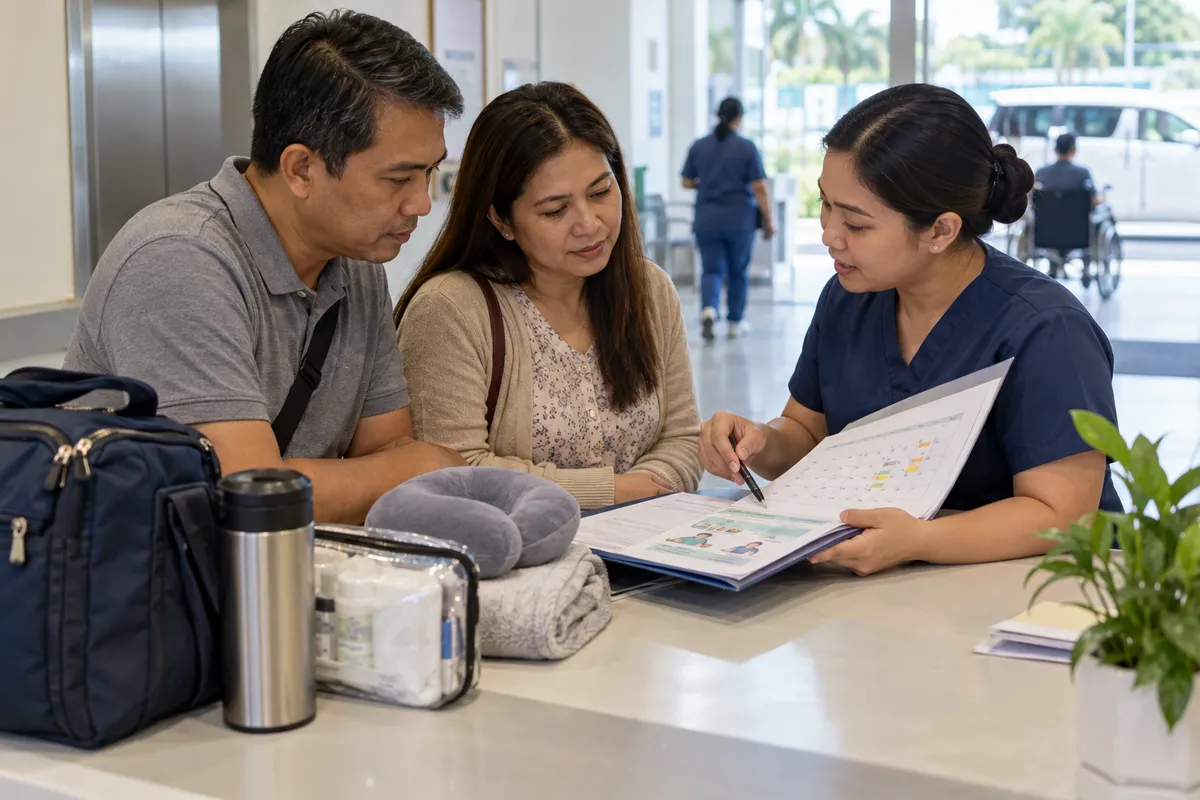
Preparation requires coordination with the cancer team. Discuss tumour treatment, lymph-node surgery, chemotherapy timing, radiotherapy, genetic risk and the effect of reconstruction on surveillance. The plastic surgeon examines both breasts and possible donor sites and may request CT angiography for abdominal flap planning. Optimise nutrition, blood count, glucose control and fitness, and stop nicotine completely as instructed. Review medicines with the treating doctors. Arrange several weeks of help, particularly after flap surgery. Ask how many stages are expected, what happens if radiotherapy becomes necessary and what backup plan applies if an implant, skin flap or microsurgical connection fails.
How is breast reconstruction performed, and how long does it take?
Implant reconstruction creates a pocket under skin or muscle, sometimes supported with surgical mesh. A tissue expander may be gradually filled in clinic before later exchange. Flap reconstruction transfers living tissue, shapes it into a breast and, for a free flap, reconnects tiny blood vessels under a microscope. Lumpectomy reconstruction rearranges remaining breast tissue or adds a flap. Implant operations may take two to four hours, while microsurgical flap reconstruction can take six to twelve hours or longer. Bilateral surgery adds time. Hospital admission ranges from one or two nights for selected implant cases to several days for free-flap monitoring.
What type of anesthesia is used, and who administers it?
Breast reconstruction is performed under general anaesthesia. A qualified anaesthesiologist manages the airway, fluids, temperature, pain control and continuous monitoring. Long microsurgical procedures require careful blood-pressure and clot-prevention planning because flap circulation must be protected. Regional nerve blocks may supplement general anaesthesia. The operation should take place in a hospital equipped for the planned reconstruction, postoperative monitoring and urgent return to theatre. Tell the anaesthesiologist about chemotherapy effects, heart or lung conditions, sleep apnoea, previous nausea, allergies and all medicines. Ask how pain control, intensive monitoring and blood transfusion decisions will be managed.
What results can I realistically expect, and when will I see them?
Reconstruction can restore a breast contour in clothing and help many patients feel more physically balanced. The reconstructed breast will not look, feel or move exactly like the original, and sensation is often reduced. Early swelling and scars make the first result difficult to judge. Implant shape settles over several months, while flaps soften and remodel for six to twelve months. Further fat grafting, nipple reconstruction, tattooing or opposite-breast adjustment may be needed. Radiotherapy and weight change can alter the result. The realistic aim is a safe, durable reconstruction compatible with cancer care, not perfect symmetry or erasure of the mastectomy experience.
Will I have scars after breast reconstruction, and how visible will they be?
Yes. The breast carries mastectomy or lumpectomy scars, and additional incisions depend on the reconstruction. Abdominal flaps leave a long lower-abdominal scar and a scar around the navel. Back flaps leave a diagonal or horizontal back scar, while thigh or buttock flaps create donor scars in those areas. Drains leave small marks. Scars fade over time but can widen, thicken, darken or become painful. Radiotherapy and wound problems can worsen them. Reconstructive planning places scars thoughtfully, but cannot make them invisible. Tattooing can create an areola and may help the breast look more complete without another major incision.
What are the risks and possible complications of breast reconstruction?
General risks include bleeding, infection, anaesthetic problems, blood clots, fluid collections, delayed healing, pain, numbness, asymmetry and poor scars. Implant reconstruction can develop contracture, rupture, exposure, infection or implant-associated disease. Flaps can suffer partial fat loss, hernia, abdominal weakness, donor deformity or complete circulation failure requiring urgent surgery. Free-flap thrombosis is time-sensitive. Radiotherapy increases several risks. Lymph-node treatment may also contribute to arm swelling. Reconstruction should not conceal concerning symptoms. Fever, rapidly changing colour, increasing swelling, severe pain, drainage, breathlessness or a flap that becomes pale, blue or cold requires immediate review.
What is recovery like after breast reconstruction, and how long does it take?
Recovery depends on method. Implant patients may spend one to three nights in hospital and need several weeks for comfort and arm movement. Flap patients commonly stay longer and recover from both breast and donor-site surgery. Drains, compression and frequent flap checks are common. Fatigue can last for weeks, especially when surgery follows cancer treatment. Walking begins early, while physiotherapy supports shoulder mobility and posture. Abdominal-flap patients initially walk slightly bent and must protect the abdominal wall. Most initial wounds heal over several weeks, but strength, sensation and tissue softness continue improving for six to twelve months.
When can I return to work, exercise, and normal activities?
After implant reconstruction, desk work may resume in three to six weeks, depending on cancer treatment and wound healing. Free-flap reconstruction often requires six to eight weeks or longer. Gentle walking starts early. Driving waits until shoulder movement is safe and sedating medicines are stopped. Lifting, pushing and upper-body exercise are restricted for at least four to six weeks, while abdominal donor sites may need longer protection. Return to chemotherapy or radiotherapy is coordinated by the oncology team and should not be delayed by avoidable wound problems. Work plans must consider fatigue, drains, commuting and the physical demands of the job.
What aftercare and follow-up appointments are required?
Aftercare may include drain management, wound checks, supportive garments, pain medicine, antibiotics in selected cases and exercises prescribed by the team. Flaps need early circulation monitoring, while expanders require a series of clinic fills. Later visits assess scars, shoulder motion, implant or flap condition and need for revision stages. Continue cancer surveillance exactly as advised. Reconstruction does not eliminate recurrence risk. Keep implant and pathology records, and report new masses, late fluid, skin changes or persistent pain. Urgent review is required for fever, sudden swelling, flap colour change, pus, wound opening, breathing difficulty or calf swelling.
How long do the results of breast reconstruction last?
Autologous tissue can last for life and changes with the body, although it still ages and may change with weight. Implants are long-term devices but are not lifetime guarantees and may require exchange or removal. Radiotherapy, contracture, recurrence treatment, pregnancy and ageing can alter breast symmetry. Nipple tattoos fade and may need refreshing. Revision is common and does not necessarily mean the original reconstruction failed. A durable result depends on cancer treatment, tissue quality, healthy habits and long-term follow-up. Any new breast or chest-wall symptom should be assessed even many years after reconstruction.
How much does breast reconstruction cost in the Philippines, and what is included in the price?
Costs vary enormously. Public listings may begin near PHP 100,000, but private implant reconstruction can reach roughly PHP 250,000 to PHP 500,000 per stage, while complex microsurgical flap reconstruction may cost PHP 500,000 to PHP 1,000,000 or more. Several stages, bilateral surgery and cancer treatment increase the total. A quotation should include the reconstructive and breast surgeons, anaesthesiologist, hospital, implant or mesh, microsurgical team, imaging, pathology, admission, medicines and follow-up. PhilHealth publishes procedure case rates for reconstruction, but these are benefit schedules rather than guaranteed full payment. Confirm coverage and remaining professional or hospital charges in writing.
Thank you for sharing this article...
About the Author: Randy Alta